|
|
Welcome
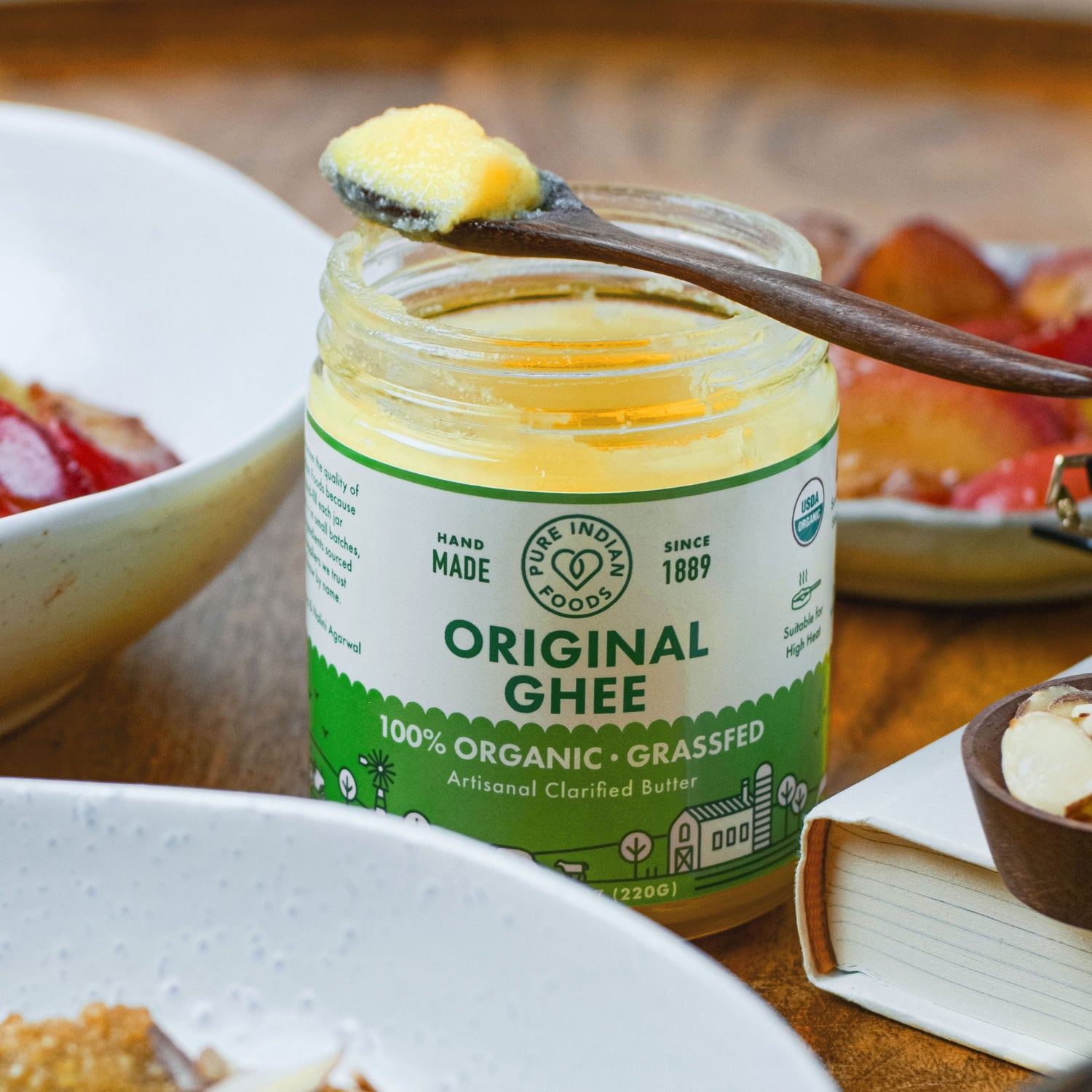
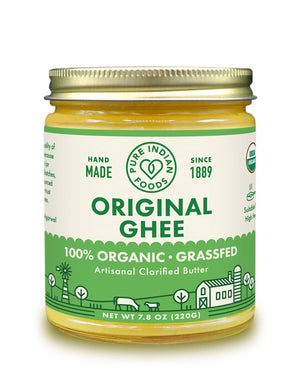
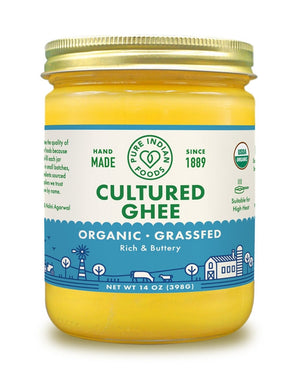
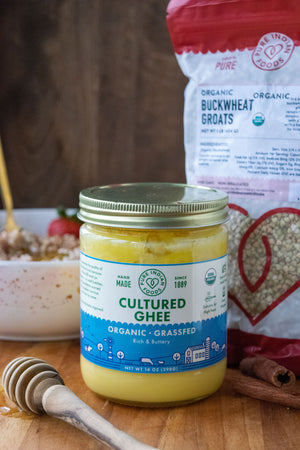
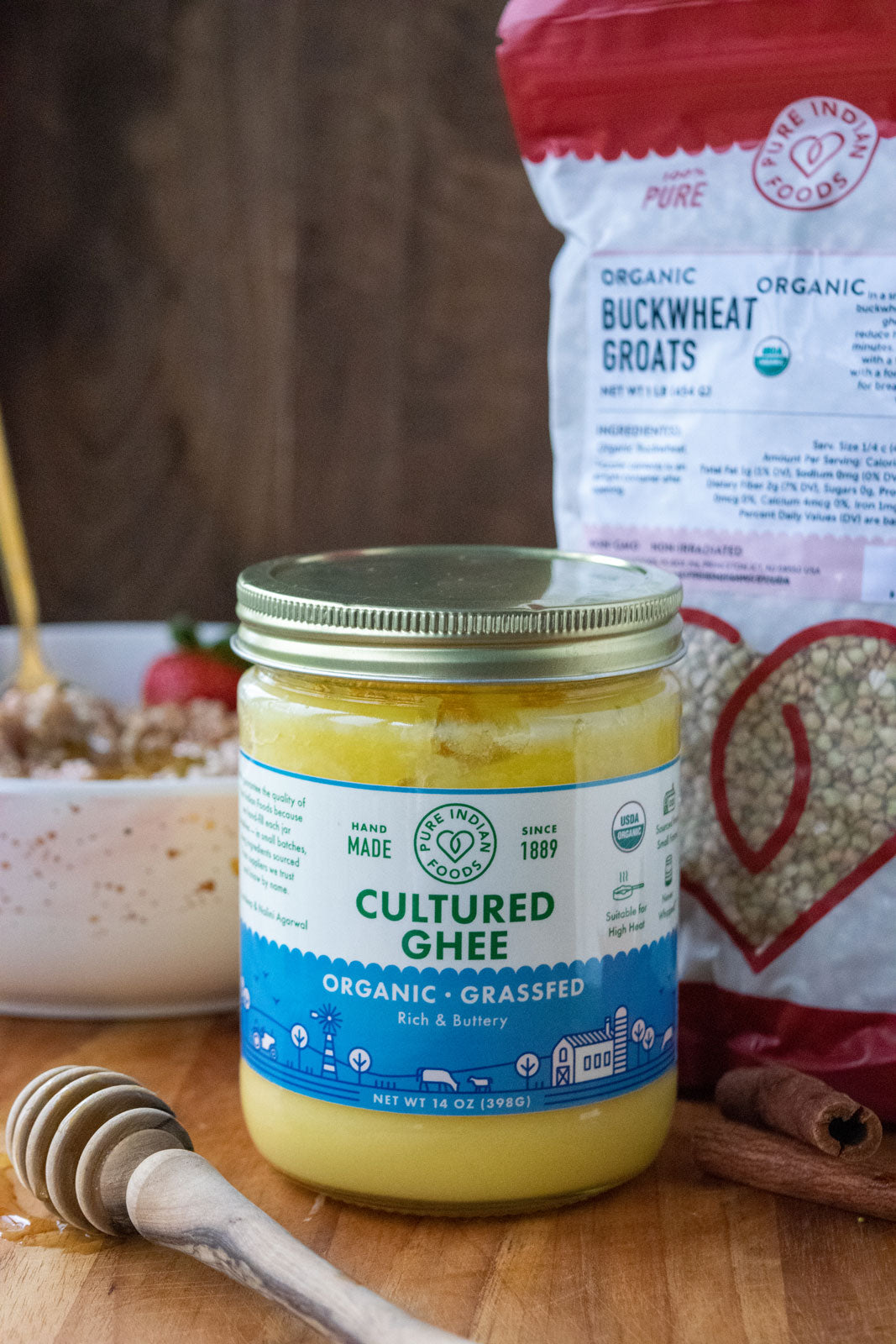
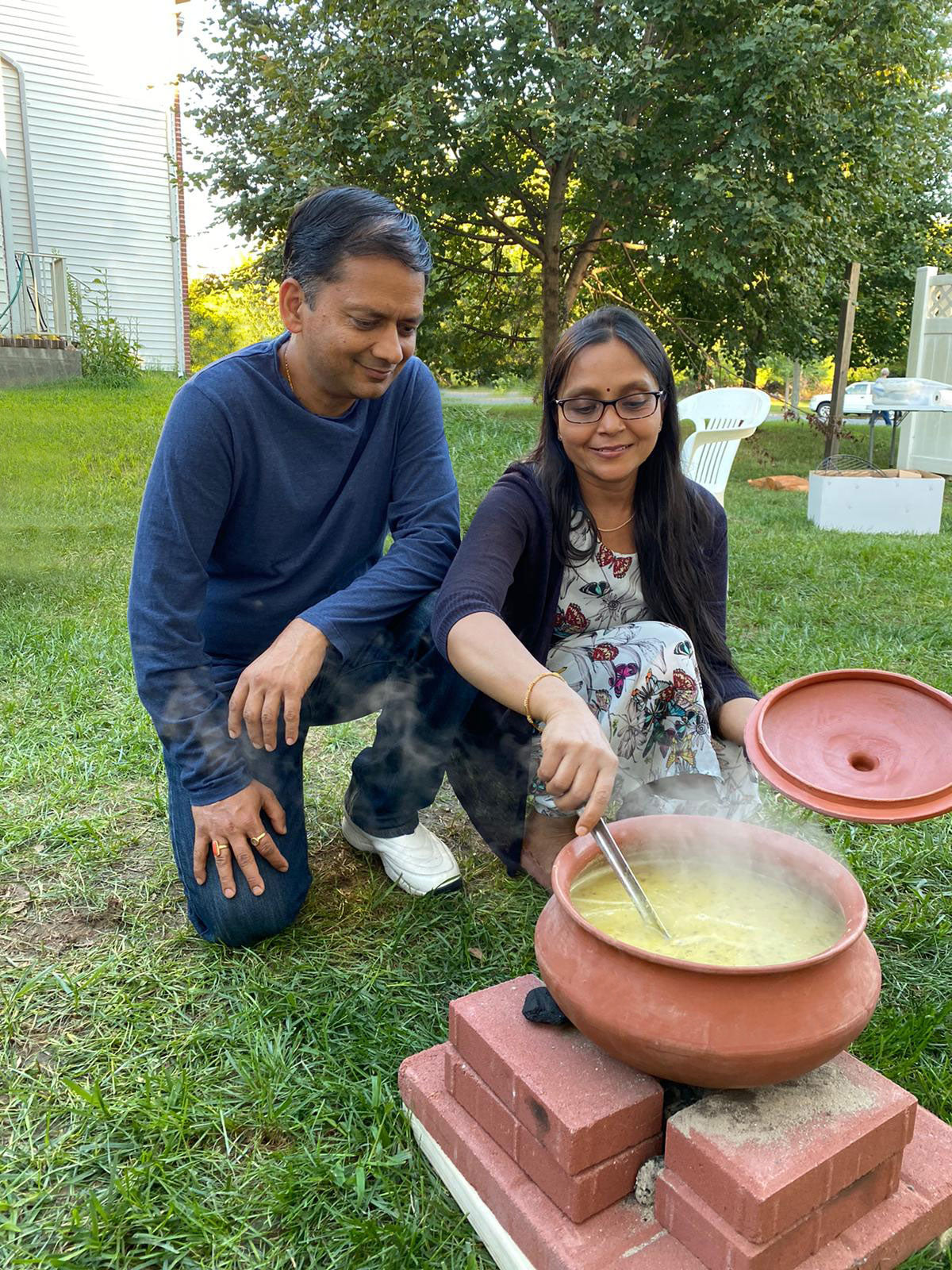
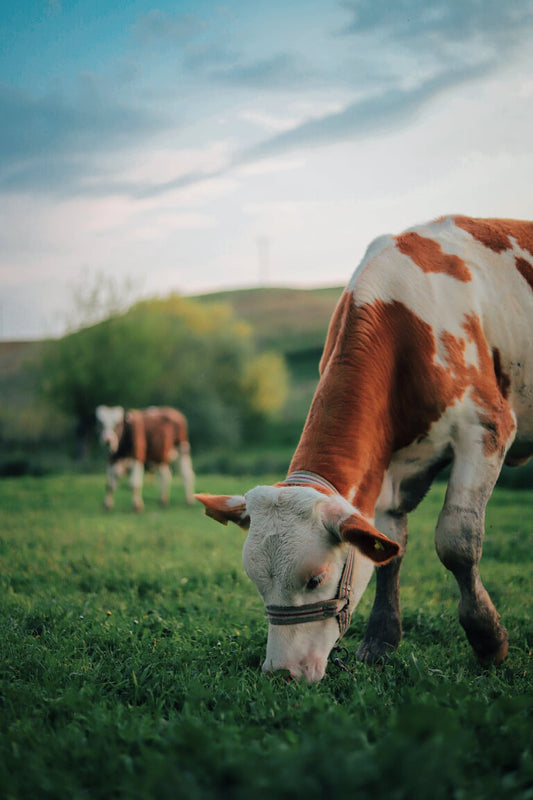
We are a small family-owned business that takes pride in making an exceptional quality Organic Ghee from free-range cows fed on grass.
What is Ghee?
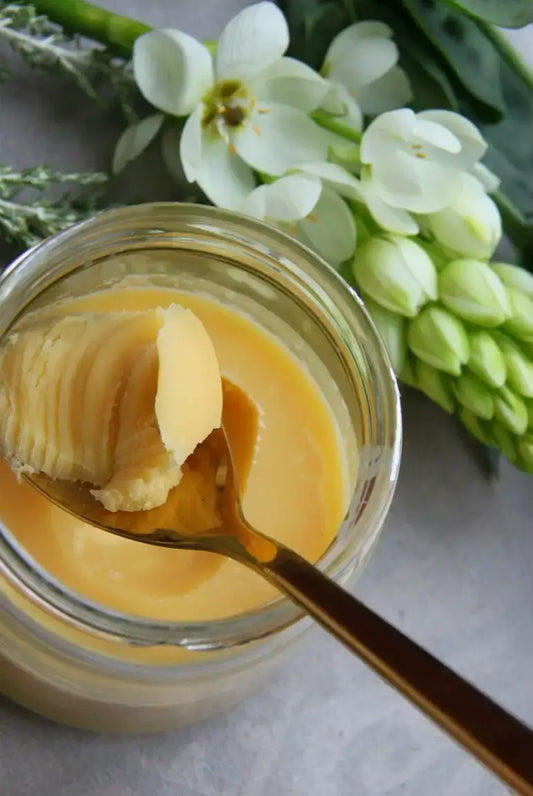
Golden colored Ghee is prepared by melting and simmering unsalted butter until all the water evaporates and the milk solids settle at the bottom. The remaining butter oil is very stable, giving it a high smoke point which makes it an excellent choice
to use for frying and sautéing and it can be stored without refrigeration for several months. Ghee is also known as Indian Clarified Butter, Seafood Butter, Drawn Butter, Butter Oil, Ghee Butter or Anhydrous Milk Fat (AMF). In India and other South Asian countries, it is also known as Desi Ghee, Pure Ghee, Asli Ghee or Ghritam. Ghee is a dairy product and as such it is gluten-free.
Ghee has a very long and rich history. It has been used in Indian cooking for thousands of years. According to an article published in the journal Nature, traces of ghee and cheese were found in pottery from 6,500 BC. The following quote from the ancient text "Charvak Darshan" by an Indian philosopher Charvak (3000 BCE) shows the importance of ghee:
In Sanskrit (click here to see this text in Sanskrit):
Yaavat Jeevet, Sukham Jeevet
Rinam Kritva, Ghritam Pibet
which means:
As long as you live, live happily
Beg, borrow or steal, but relish ghee
Lets understand Organic
Organic foods are produced without the use of artificial fertilizers, conventional pesticides, human waste, or sewage sludge. They are processed without the use of ionizing radiation or food additives. Organic dairy products come from animals that are given no antibiotics or growth hormones.
What is Grass-fed?
Grass-fed cows are pasture-raised and eat what nature intended them to eat: Grass.
Grass-fed Benefits
More Conjugated Linoleic Acid (CLA):
Pasture-grazed cows have more CLA in their milk than grain fed cows and our lab tests show our ghee has more CLA than plain butter. CLA is an antioxidant and essential fatty acid that has been getting a lot of attention lately. In animal studies, it reportedly exhibits anticarcinogenic and other beneficial physiological effects.
http://www.accessdata.fda.gov/ScienceForums/forum03/E-04.htm
Ratio of Omega-6 and Omega-3 Fats
Research indicates that if the ratio of Omega-6/Omega-3 in your food exceeds 4:1 then it may not be good for you. This ratio is around 3:1 for grass-fed animals and over 20:1 for grain-fed animals, since grass is rich in Omega-3 and grains have higher Omega-6. So eating more grass-fed products helps you maintain the right balance of Omega-6 and Omega-3 fatty acids.
Are Grassfed Products Safer?
Most of the conventional cows are fed large amounts of grains (primarily corn), soy and other supplements to increase milk production and decrease cost. They are kept in crowded feedlots and dont get the opportunity to roam freely and peacefully in the sun and eat high-fiber green grass. This makes them vulnerable to various diseases, so they are often given antibiotics in their daily feed to prevent this. Read more here.
Go Green
Grass-fed dairies are generally small. They promote harmony between the land and the animals. They support biodiversity and reduce waste. They work in a sustainable manner and are good for our environment.
Ghee Benefits
Best for cooking
Ghee is one of the best oils for cooking. It stimulates digestive fire (or Agni) according to Ayurveda. It has a very high smoke point (~400°F) and its chemical structure does not change at high heat. When you cook with ghee, there is no hissing, popping or splattering.
It produces sweet aroma when heated. You use less than half of other oils and it enhances the flavor of food.
Sattvic Food
Cow Ghee is considered a sattvic food in Ayurveda. Cow milk has the essence of the grass and plants, and cow ghee possesses the essence of cow milk.
Food for Optimum Health
Ghee is a nutrient dense food and contains healthy fat soluble vitamins which aids in the absorption of nutrients in foods and are essential for good health.
Dr. Weston A Prices Research
A nutrition pioneer, Dr. Weston A. Price, felt strongly that there were tremendous health benefits of taking deep-yellow butter oil (particularly when obtained from the milk of cows feeding on rapidly growing pasture), especially when taken with cod liver oil. He documented his findings in book Nutrition and Physical Degeneration. Dr. Price theorized that the butter oil contained a valuable nutrient which he called, "Activator X", and is now thought to be one of the K vitamins.
No Harmful Trans Fats
Ghee does not contain harmful trans fats or hydrogenated oils which can cause heart disease and many other serious health problems.
Ghee vs. Butter
Great for cooking
Ghee does not contain milk solids and it is very stable at high heat. Because of its high smoke point (~400 °F), it is considered one of the best oils for baking, sautéing and deep fat frying. When you sauté with butter, the milk solids precipitate to the bottom of the pan and they can burn causing an unpleasant odor, appearance and taste. When you sauté and fry with ghee, there is no hissing, popping or splattering. It also has a sweet aroma and actually becomes richer in flavor as well.
On the other hand, vegetable oils burn when cooked. There is now developing controversy in medical science about which oils are better for us. Traditional cooking oils in all cultures have been ghee, coconut oil, or lard. The saturated fats hold up under
heating, and ghee has been used for thousands of years. Proper use of food is a cultural achievement that takes thousands of years
to perfect, whereas medical science changes its ideas of what is important
every couple of decades.
Casein- and Lactose-Free
During the clarification process, milk solids are removed, leaving the healthy butter fats behind. Small, trace amounts of casein and lactose can possibly remain in the ghee, but unless a person is extremely sensitive, consuming ghee will be fine, even if dairy is not. Please discuss this with your doctor if you have any concerns about triggering an allergic response. We work hard to bring a very pure ghee to you!.
Shelf Stable
A well-prepared ghee has very little moisture content and is very shelf-stable. You do not need to refrigerate it for 2-3 months if you keep it in an airtight container. When kept in a refrigerator, ghee can last up to a year. In India, aged ghee is considered to have healing properties and some families have ghee that is over 100-years old. Ghee such as this is rare and very expensive.
Rich Flavor
Ghee has a rich, sweet and deliciously nutty flavor. A little amount of ghee adds a lot of flavor to the food. One tablespoon of ghee can replace up to three tablespoons of oil or butter in your recipe.
Ayurvedic Usage
A ghee which has been properly washed accordingly to Ayurvedic specifications is very beneficial in healing the skin. A small amount of ghee applied to belly button nourishes the entire body and is especially helpful is healing dried lips. Ghee has slightly alkalizing effect on the body whereas butter has a slightly acidifying effect. Ghee is widely used in Ayurvedic massages and supplements. Ghee keeps skin soft, smooth and lubricated. Ghee is sattvic food whereas butter is tamasic. Also, butter increases Kapha whereas ghee balances all the 3 doshas.
How to use Ghee?
Snacks and Appetizers
- Toss into fresh popped popcorn or make your own: Melt ghee, add salt and popcorn, pop until done.
- Mix with good quality coarse sea salt (like Celtic Sea Salt®). Add chives and spread over pita bread.
- Mix with nut butters such as almond, peanut, cashew and others for an amazing dip for apples and other fruits.
- Stir-fry minced fresh garlic in ghee and pour over fresh hot bread.
- Sauté garlic in ghee and use it to make out-of-this-world hummus.
- Spread over whole grain crackers; top with cheese.
Main courses and Soups
- Stir into piping hot soup just before serving.
- Drizzle over fish, lobster, scallops, and crab.
- Stir into hot bean dishes such as Hoppin John, or Pasta e Fagioli.
- Stir into hot daal (Indian lentil soup) before serving.
- Combine minced garlic with plenty of dried herbs such as thyme, rosemary, sage, and parsley. Add salt, pepper, and enough ghee to make an herb paste; rub into a chicken and roast until done – be sure to baste with pan juices!
Vegetable, Potato, and Grain Dishes
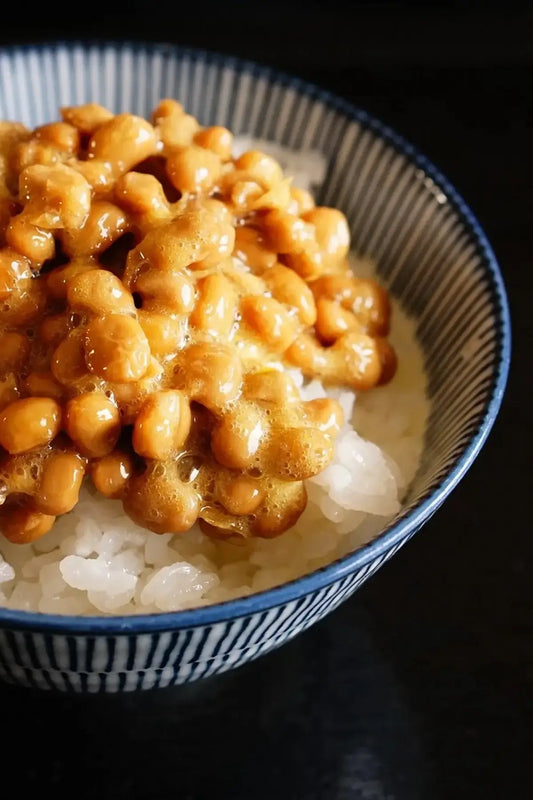
- Try it on hot rice – you’ll never look back!
- Drizzle over fresh steamed veggies.
- Brush a layer over corn-on-the-cob.
- Stir fry greens such as kale, collards, and Swiss chard in ghee for great flavor and digestibility.
- Makes great flour and corn tortillas.
- Coat root vegetables with ghee, salt, and pepper; cover and roast at 425 °F until tender.
- Ideal for sautéing or caramelizing onions.
- Mash into hot baked potato, or stir into hot mashed potatoes.
- Rub ghee into the skins of potatoes or sweet potatoes; prick with a fork and bake at 400 °F until tender.
- Sauté mushrooms in ghee with a splash of wine and a pinch of salt for the best mushrooms ever!
- Spread over fresh hot Roti (Indian flat bread).
- Stir hot rice, quinoa, buckwheat, couscous or millet in hot ghee for 5 minutes; add liquid and cook as directed.
- Mash into baked potatoes with sour cream and chives.
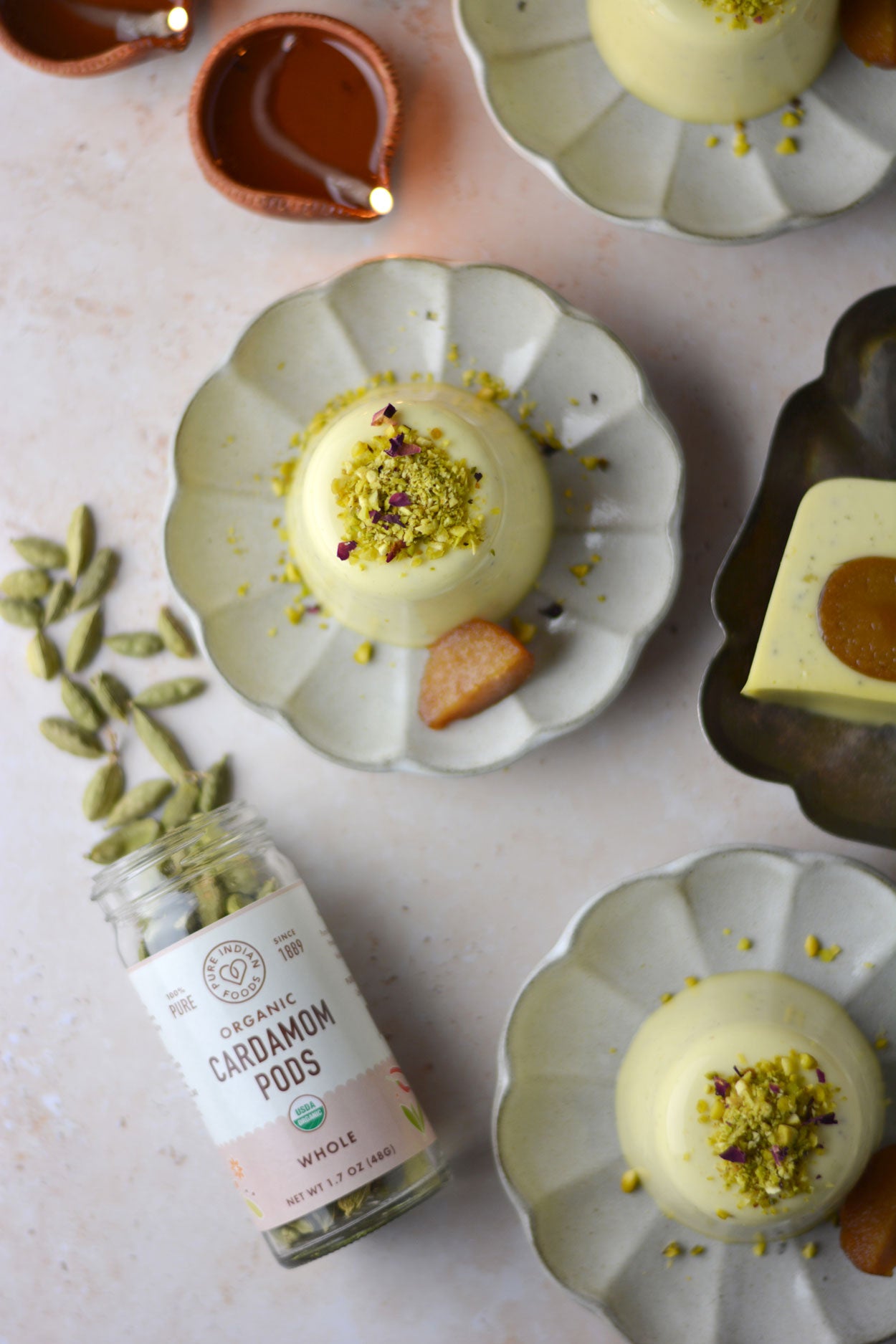
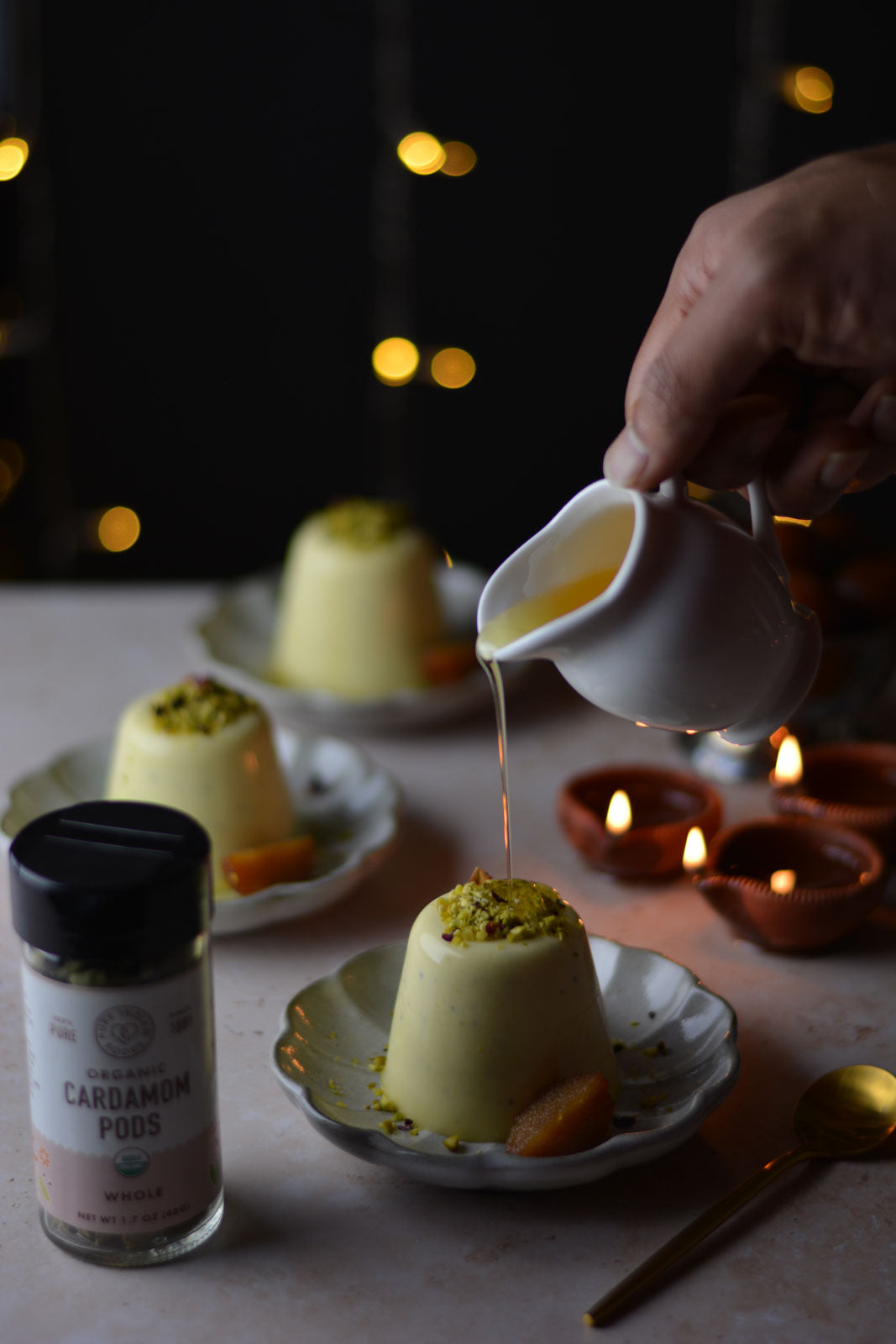
Desserts
- Mix 2 tsp ghee with 1 tsp carob powder and a few drops of agave nectar; spread over rice cakes for a quick gluten free dessert.
- Use in cakes and cookies; theyll taste great and keep fresh longer.
- Melt chocolate; add a spoonful of ghee and enough powdered sugar to make a glaze. Use for cakes, quick breads or cookies.
- Stir a tsp into hot pudding before cooling – fantastic!
- Saute sliced apples or pears in ghee; sprinkle on some raw sugar and cinnamon; top with ice cream or yogurt.
- Mix ghee and coconut oil; sauté bananas with brown sugar; top with cream or ice cream.
Sauces
- Ghee is the secret to making perfect Hollandaise Sauce; it’s a perfect butter substitute and it’s easy to work with.
- Delicious in Bolognese Sauce as is or with olive oil.
- Mix ½ cup melted ghee with ½ cup olive oil; refrigerate in container with lid and use for sautéing, spreading, and in sauces calling for olive oil.
- Simmer ghee, white wine, lemon juice, garlic, and a sprig of fresh thyme. Add salt and pour over cooked fish.
Breakfast
- Spread on toast, muffins and bagels – unlike cold butter, ghee spreads easily.
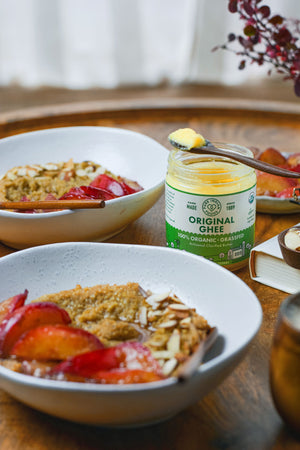
- Stir into oatmeal or cream of wheat just before serving.
- Scramble or fry eggs in ghee – they wont stick to the pan.
- Make a French-style omelet with ghee; its firm and wont turn brown like with butter.
- Use to sauté lean turkey bacon; works great, tastes great, and won’t stick to the pan.
- Warm maple syrup with ghee; drizzle over hot blueberry, buttermilk, or buckwheat pancakes.
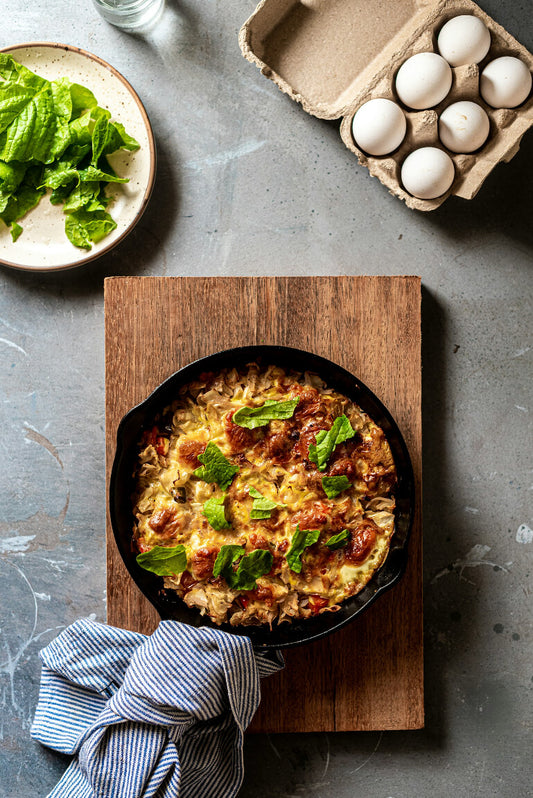
- Saute veggies such as onion, tomato, and mushrooms in ghee; whisk in beaten eggs and make a breakfast frittata.
- Make French toast; brown in ghee for great flavor!
Out of the ordinary
- Pack it up for traveling, camping, picnicking, and hiking – its shelf-stable and doesnt need refrigeration.
- Massage into skin instead of lotion or massage oil; it keeps skin and joints supple.
- Keep lips moist: use ghee in place of lip balm.
- Rub ghee into cuticles to help keep nails in good shape.
- Enjoy straight out of the jar! ☺
Substitutions
- Use in place of regular butter for sautéing; it doesnt smoke or burn as easily.
- Use in dairy-free recipes; milk solids are removed from ghee during the clarification process.
- Use in place of vegetable oil for basting, sautéing, and broiling.
- Use in place of butter for drizzling over veggies, toast, pancakes, waffles, grain dishes, fish, poultry, and meats.
|